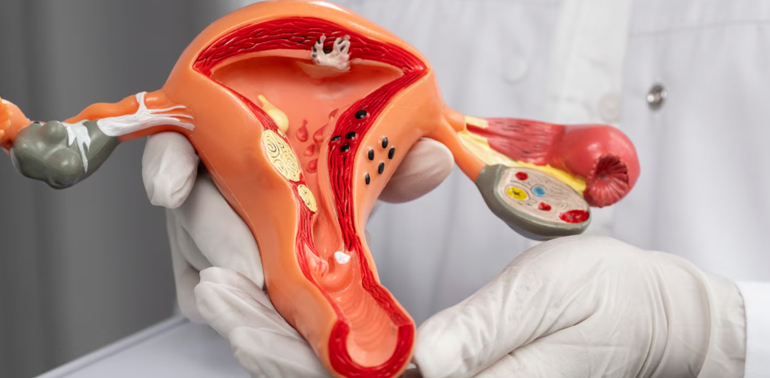
Hysterectomy
A hysterectomy is the removal of the uterus through a surgical process. Depending on your health conditions, the doctor may recommend removing a portion of your uterus (supracervical/partial hysterectomy) or removing it entirely (total hysterectomy). It may also involve the removal of other organs from your body, such as the ovaries and/or fallopian tubes, to help you regain control of your health.
Finding the Right Path for You
Depending on the diagnosis, your doctor will choose a method that prioritizes a safe and smooth recovery. While there is no one-size-fits-all approach, there are two prime ways a hysterectomy could take place: either Laparoscopic or Abdominal.
Laparoscopic hysterectomy options are minimally invasive options. These use smaller incisions and often result in a faster return to the daily routine.
The abdominal method is often adopted in the case of large fibroids. Incisions through the abdominal area are the safest way to ensure the best outcome.
Why is this procedure recommended?
Hysterectomy is usually considered when other treatments fail to offer the much-needed relief. It is usually suggested as a solution for persistent pain, such as in endometriosis or adenomyosis, heavy bleeding due to fibroids or hormonal issues, prolapsed uterus, or preventing cancers of the reproductive system.
Your Body, Your Recovery
Every person goes through a unique healing journey post-hysterectomy. While most patients recover in 2 to 3 weeks to feel like themselves again. Some may experience certain hormonal changes as well.
Compassionate Care with Dr. Nisha Ohri
Choosing surgery is a deeply personal decision, and you don’t have to navigate it alone. Dr. Nisha Ohri specializes in guiding patients through these moments with a blend of clinical excellence and genuine empathy. Known for her patient-centered approach, Dr. Ohri takes the time to listen to your concerns, explain every option, and ensure you feel confident and supported from your first consultation through to your full recovery.