Laparoscopic Surgery
What is Laparoscopic Surgery?
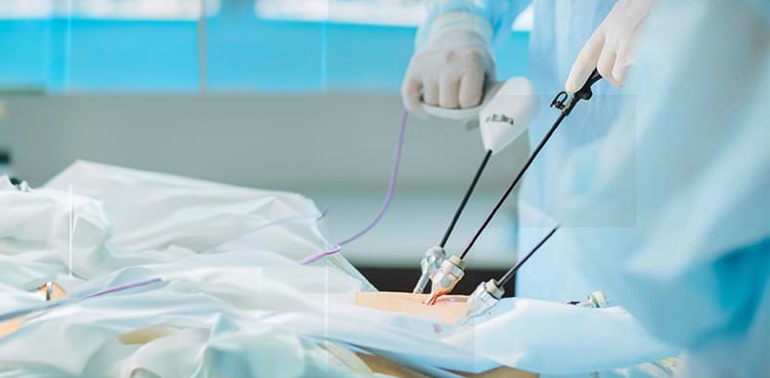
Laparoscopic surgery is a modern surgical technique that is also known as minimally invasive surgery. In this process, small keyhole-sized incisions are made instead of large open cuts through an instrument called the laparoscope. The laparoscope has a high-resolution camera that is inserted through one incision, which allows the surgeon to view internal organs on a monitor. This helps them to operate on the patience with precision.
By not making a huge incision, this approach helps with effective surgical outcomes and reduces trauma to the body.
When is Laparoscopic Surgery Recommended?
A laparoscopic surgery is usually recommended for certain gynecological conditions such as endometriosis, ovarian cysts, etc., or general surgical conditions such as hernia, appendix removal etc.
Benefits of Laparoscopic Surgery
Laparoscopy has several advantages as compared to traditional open surgery such as:
- Smaller incisions and minimal scarring
- Reduced pain after surgery
- Lower risk of infection
- Shorter hospital stays (often same-day discharge)
- Faster recovery and return to daily activities
- Improved surgical precision and visibility
Laparoscopic Surgery in Infertility Treatment
Laparoscopy helps to highlight conditions that may not be visible on ultrasounds or scans, such as blocked fallopian tubes, endometriosis, pelvic adhesions, etc. It can significantly improve the chances of natural conception or the results of assisted reproductive treatments like IVF.
Recovery After Laparoscopic Surgery
Your surgeon will guide you with your personalized post-operative care instructions. Recovery is usually quick and smooth with mild discomfort or shoulder pain. Patients usually return home within 24 hours and resume light activities in 2-3 days. Full recovery might take about 1-2 weeks, depending on the procedure.
Is Laparoscopic Surgery Safe?
Yes, Laparoscopic surgery is very safe when performed by experienced surgeons. Complications with laparoscopic surgeries are much less as compared to any open surgery.
When to Consult a Doctor?
You should consult a specialist if you experience:
- Persistent pelvic or abdominal pain
- Difficulty conceiving
- Irregular menstrual cycles
- Diagnosed conditions requiring surgical evaluation
Early diagnosis and minimally invasive treatment can prevent complications and improve outcomes.
Why choose Dr. Nisha Ohri for your Laparoscopic Surgery:
When it comes to minimally invasive surgery, experience is the most critical factor. With over four decades of clinical expertise, Dr. Nisha Ohri combines technical mastery with a compassionate touch.
Dr. Ohri prioritizes laparoscopy whenever possible, ensuring her patients receive the most advanced surgical care available with the shortest possible recovery time.